posted by Brian Zahnd on February 8, 2010 at 4:17 PM
The book of Revelation is primarily a prophetic critique of empire—a prophetic denunciation of the all-powerful state as a devouring, dehumanizing beast. In John the Revelator's day the Beast took the form of the Roman Empire. In subsequent history the Beast has flown other flags. The drama of the Apocalypse is found in the contest between the monstrous Beast which devours humanity with its military and economic might and the Lamb of God who redeems humanity with his blood. The hope we find in the final book of the Bible is in the prophetic picture of the ultimate triumph of Jesus and his kingdom over the satanic empires of Babylon. And thus the Bible is a book which gives us the happiest of all possible endings.
But the Beast is subtle. Like the serpent which is its father. And though the shed skin of the Beast is easily recognized once it is relegated to the realm of history, the Beast can be difficult to spot in its contemporary incarnation. It takes a prophetic eye to spot the shape-shifting monster that is the Beast.
Today I read one of these prophetic observations. Allow me to share it with you (in a somewhat edited form).
posted by Brian Zahnd on January 27, 2010 at 8:02 PM
In his humiliation justice was denied him.
Who can describe his generation?
For his life is taken away from the earth. -Acts 8:33
Someone showed me a picture and I just laughed
Dignity never been photographed
I went into the red, went into the black
Into the valley of dry bone dreams -Bob Dylan, Dignity
Life is a struggle. A struggle against humiliation. A struggle to gain dignity. And in the battle against humiliation in the hope of gaining dignity we may experience some triumphs. The dignity of courage. The dignity of wisdom. The dignity of noble gesture. The dignity of rising above base animal instinct and becoming fully human. But in the end its a war we all lose. Death sees to that. Death is the final and ultimate humiliation. In death we are laid low. In death we return to dust. In death we are humiliated. In death we return to the humus. Humiliation and humus are related. We strive for the stars, but we return to the soil. Humus. Humiliation.
posted by Brian Zahnd on January 21, 2010 at 5:03 PM
My friends Samuel Nachum and Ahmed El-Sherif will be joining me in dialogue this Sunday, January 24 at Word of Life Church for both services (9 & 11 AM). A Jewish artist, a Muslim scientist and a Christian pastor discussing peace and how we should understand one another in the 21st century world. I hope to see you there.
BZ
PS
Phil Keaggy will be in concert at Word of Life this Friday night at 7:00. Here's Phil Keaggy doing a Bob Dylan song. Phil always does a Bobtune or two for me!
posted by Brian Zahnd on January 17, 2010 at 11:50 PM 35 years ago today Bob Dylan's Blood On The Tracks was released.
In this blogger's opinion it's the finest album ever recorded.
Early one mornin' the sun was shinin', I was layin' in bed. It was a Saturday in 1975. I was 15. A Zeppelin freak and a brand new Christian. Bob Dylan was the guy who did Blowin' In The Wind, Lay Lady Lay and Knockin' On Heaven's Door. I woke to Tangled Up In Blue on KY-102. I was in that beta state between sleep and waking and her hair was still red. Every one of those words rang true. Revolution was in the air. I was mesmerized. Something was awakened in me. Something I had never known before. Love of language. Love of story. Love of song. From a different point of view. From a Dylan point of view. That love is still with me.
posted by Brian Zahnd on November 9, 2009 at 1:14 PM
Alright, I'm just going to say it. I'm not going to take the time and effort to fully develop and defend it (it's just a Monday morning blog after all), but still I'm going to say it.
The Reformation for all the good it did, did not go near far enough.
Ecclesial and theological reform were long over due and the reformers, Luther et al., made their contributions, God bless 'em.
But the reform which was most desperately needed never happened. And what might that be? The reform of the church's allegiance to Constantinianism. Which would be the abandonment of Constantinianism.
posted by Brian Zahnd on October 22, 2009 at 3:40 AM
Peri and I are laying around in our New Delhi hotel resting up after our travels and ministry in India. We're getting ready for the long haul back home at 1:00 AM tonight -- a journey across two continents and an ocean. We're looking forward to being back at Word of Life this weekend. We began our morning with a couple of room service cappuccinos and watching the latest episode of The Office online. Living the high life!
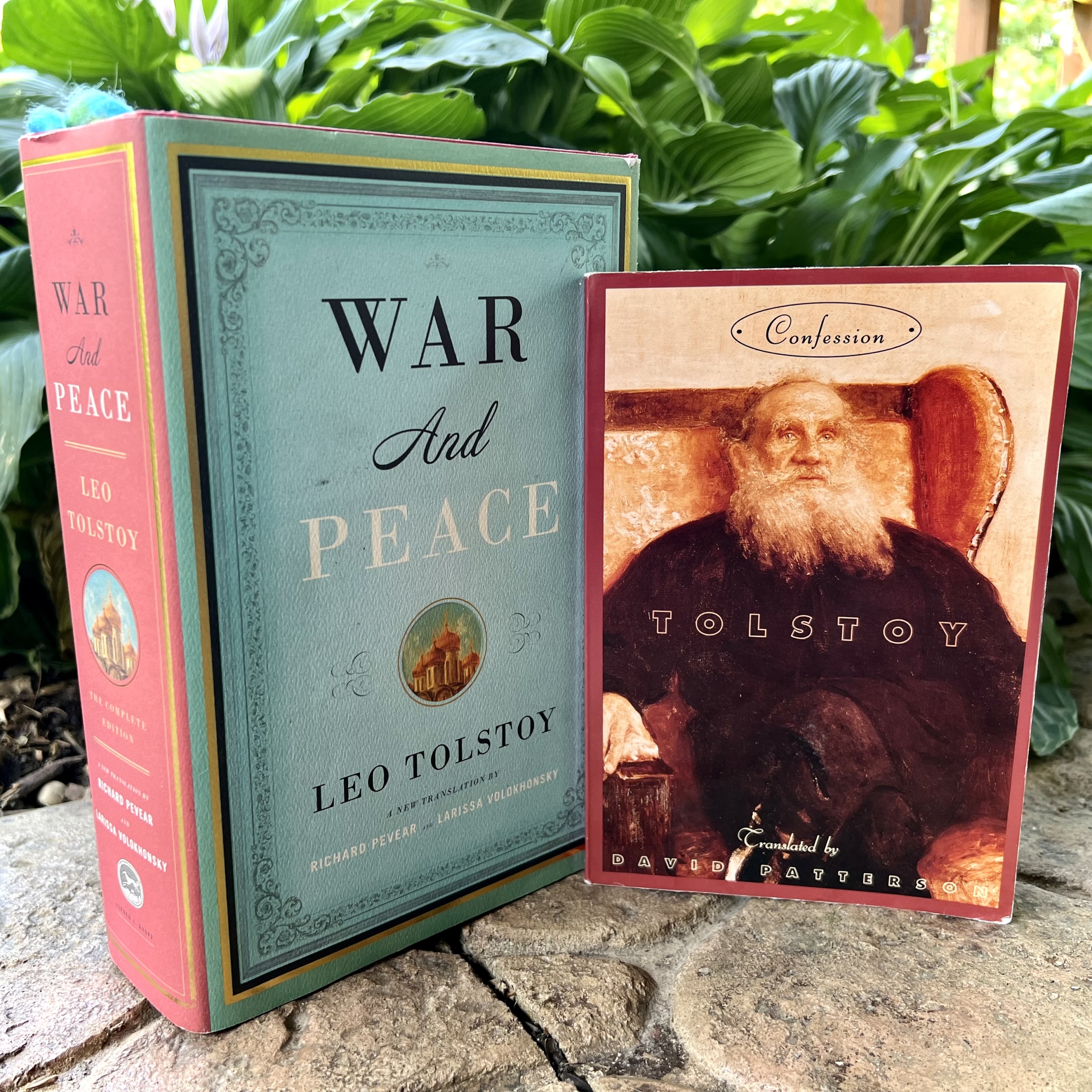
Last night I started reading an Indian novel -- The Inheritance of Loss by Kiran Desai (winner of the 2006 Man Booker Prize). My favorite novels are those which don't merely tell a good story, but explore important ideas through the art of story. I suppose that's why Dostoevsky and Tolstoy are my favorites writers -- they don't just tell stories, they grapple with big ideas. As far as I'm concerned Fyodor Dostoevsky is really a theologian disguised as the greatest novelist ever. Well, anyway, I started Desai's novel and came across this sentence.
posted by Brian Zahnd on October 7, 2009 at 7:44 PM
Hello there! Remember me? I used to blog here. Well, I still do but more rarely these days. Here's what I've learned: I can write blogs or I can write a book, but I can't do both. I've got a deadline for a book tentatively entitled Seventy Times Seven: The Call to Radical Forgiveness. So that's taking up most of my writing time.
But...
I thought I'd ramble out a few thoughts tonight. Not so much theological thoughts, which is what I tend to do here, but pastoral thoughts. I'd like to try to explain your pain...or some of it anyway. And again, not so much from theological analysis, but from pastoral observation. Here is what I've observed...